The Git-native API client
Collections stored as code. Works with Git, your IDE, and your agents. Open-source, local, and built for developers.
Trusted by organizations that get it
Chosen by teams who prioritize developer efficiency, security, and clear value




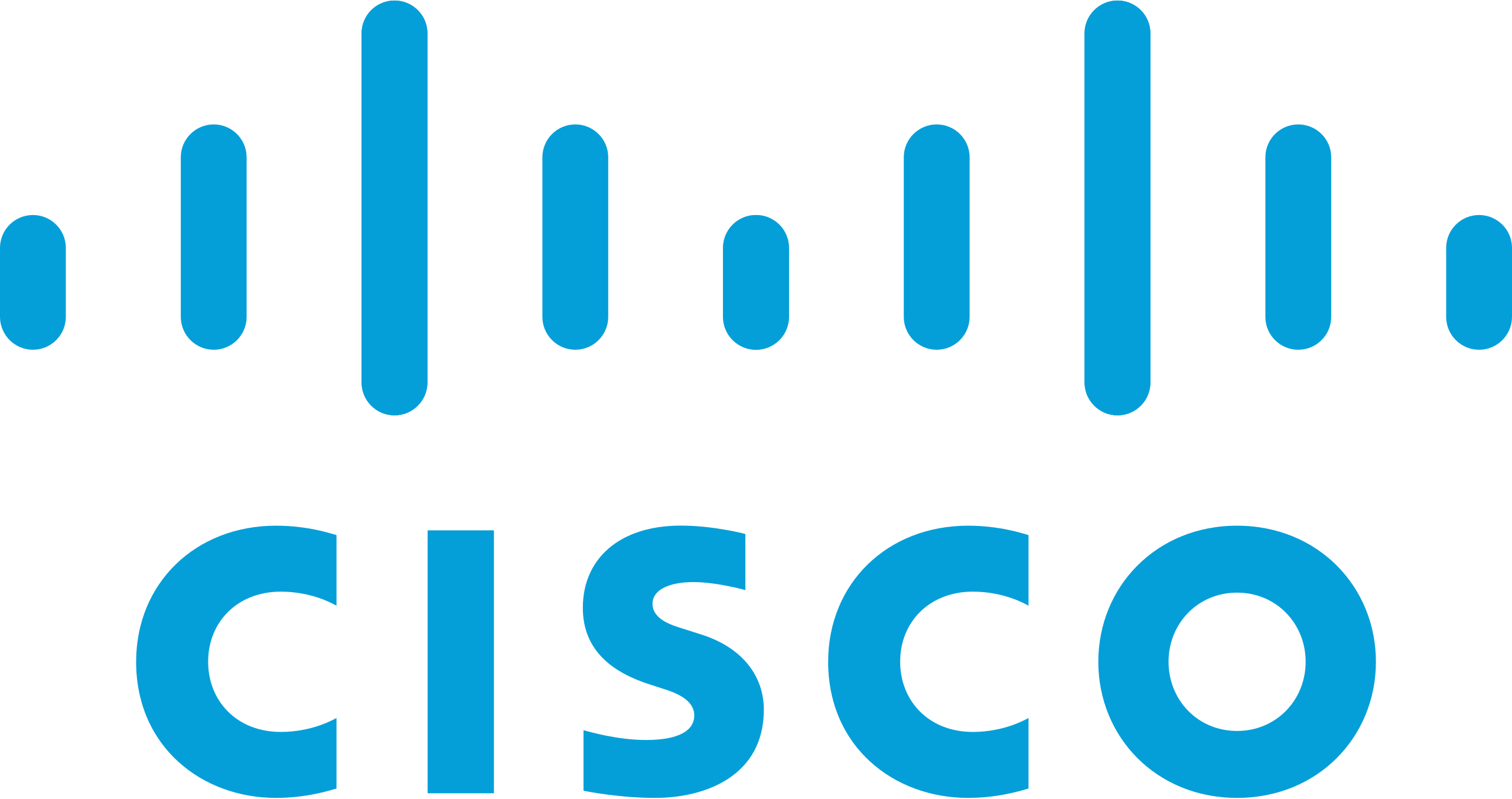











Everything a platform does, without the platform
Your collections are plain-text files in your repo. Everything else follows from that.
An API client, not a platform
Bruno is the open-source challenger to bloated, cloud-locked "platforms". A devtool should be extensible and work with the rest of your stack, not against it.
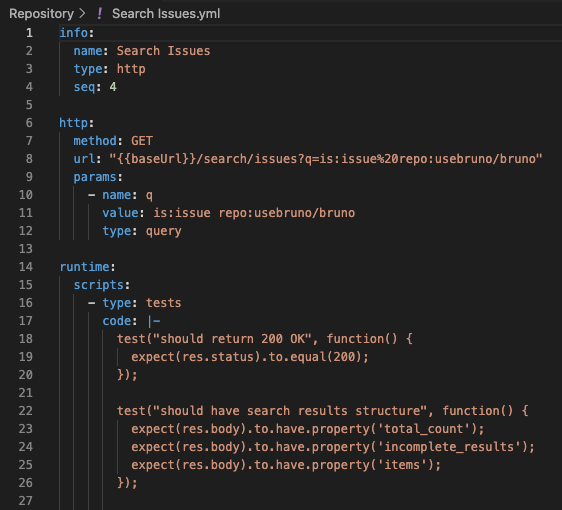
Built on OpenCollection, the open standard for API collections
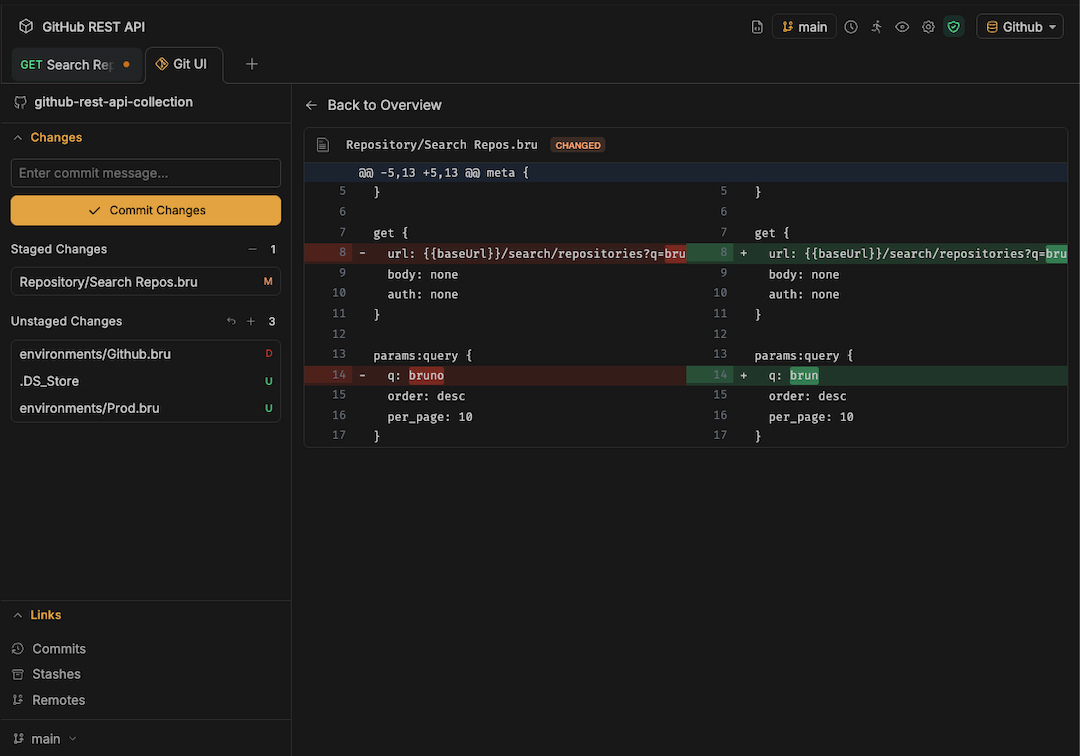
Collaborate via Git
Everything is folders and text files on your filesystem, co-located with the code they belong to.
Branch, diff, review, and merge your API collections with the exact workflow your team already trusts.
Your data never leaves your machine
No cloud sync. No account. No login. We have zero visibility into your requests, and we're not training AI models on your data. Share only when you choose, through Git.

Scale without the security overhead
Bruno runs inside the security perimeter you already have. Whatever your enterprise has configured applies automatically. No cloud tenant. No new admin console. No new attack surface.
Don't take our word for it
Hear from our users about their experiences with Bruno. Our testimonials highlight the benefits of seamless API testing and collaborative features. Discover why developers choose Bruno as their go-to API client!



































































































Take back your API workflow
Your collections in your repo, running on your machine, in under a minute.
DownloadFrequently Asked Questions
Here you can find answers to the most common questions about our services and features.